
Car gadget spec sheets are full of large numbers that do not matter and quiet ones that do. Four pieces of engineering explain most of the difference between the picks above and the bargain-bin versions.
What the 12V socket can really power
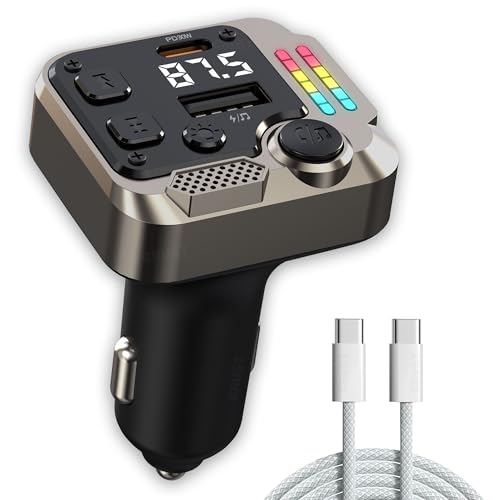
The “cigarette lighter” socket delivers about 12–14.4V from the car’s battery and alternator, protected by a fuse, typically 10 or 15 amps. Volts times amps gives the ceiling: roughly 120–180W for everything plugged into that socket. That is why an “800W car charger” listing is fiction, and why a 120W inflator and a 65W charger should not share one socket through a splitter. With the engine running the alternator carries the load; with it off, the battery does, and a starter battery does not like being drained.
Why a dash cam’s sensor matters more than “4K”
Most collisions worth recording happen in poor light or with headlights glaring into the lens, and that is where cheap dash cams fail. A large, modern image sensor such as Sony’s STARVIS 2 gathers more light per pixel, and HDR merges exposures so a bright number plate and a dark road both stay readable. A well-tuned 2K camera often beats a cheap 4K one at night. Also check the power reserve: a supercapacitor holds only enough charge to save the last clip, but unlike a small lithium cell it does not swell in a 70°C summer cabin.
How a wireless CarPlay or Android Auto adapter works
The car thinks it is talking to a phone over USB. The adapter is a small computer that answers the car on that cable and relays everything to your real phone over a 5GHz Wi-Fi link, using Bluetooth only for the initial handshake. Newer adapters with Wi-Fi 6 connect faster and drop out less in crowded parking garages. The phone does more work wirelessly than over a cable and is not charging, so long navigation sessions heat it up and drain it — which is why a charging mount is the natural companion.
PSI, flow and duty cycle: reading an inflator’s box
Every portable inflator claims 150 PSI, but a car tyre needs only 30–40, so that figure tells you nothing. What matters is flow — litres of air per minute, which decides whether a top-up takes one minute or five — and duty cycle, how long the compressor can run before it must rest to cool down. Small battery inflators like the Qubo trade flow for portability: perfect for weekly top-ups and a soft tyre, slow for reinflating a large SUV tyre from flat, where a corded metal compressor earns its weight.