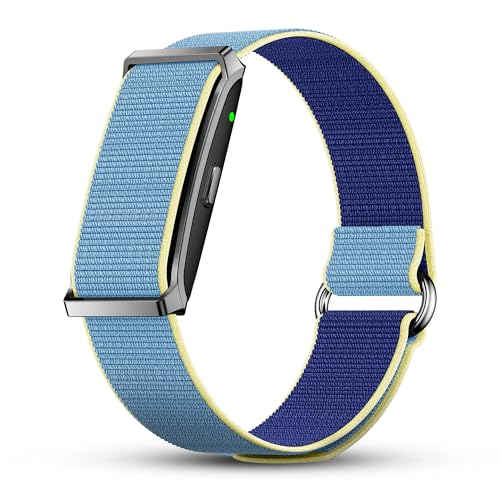
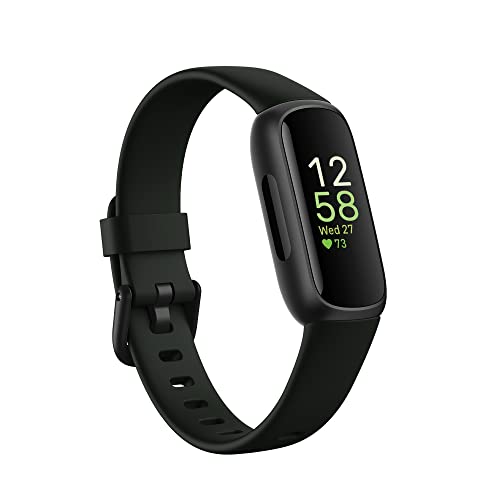
Every band in this guide reads your body through the same small cluster of hardware: a few
coloured LEDs, a photodiode, an accelerometer and some signal processing. Knowing what each
part can and cannot measure makes the marketing claims much easier to read — and
explains why two bands can report different numbers from the same wrist.
Optical heart rate (PPG)
Bands use photoplethysmography: green LEDs shine into the skin and a
photodiode measures how much light comes back. Blood absorbs green light, so each heartbeat
produces a dip in the reflected signal, and counting those dips gives beats per minute. It is
accurate at rest and in steady effort, but wrist movement and a loose strap both corrupt the
signal — which is exactly why readings wander during intervals and weights.
SpO2 and the red/infrared pair
Blood-oxygen estimation adds red and infrared LEDs. Oxygenated and
deoxygenated haemoglobin absorb the two wavelengths differently, so the ratio between the
reflected signals estimates saturation. Wrist-based SpO2 is materially harder than the
fingertip clip a clinic uses, which is why every manufacturer here labels it a wellness
feature. Overnight trends against your own baseline are the useful output, not any single
reading.
HRV, stress and readiness scores
Heart rate variability is the millisecond variation between consecutive
beats, derived from the same PPG waveform. A well-recovered nervous system produces more
variation; fatigue, illness and alcohol reduce it. Nearly every readiness, body-battery or
stress score is a proprietary blend of overnight HRV, resting heart rate and recent activity
— which is why the same wrist gets different scores from different brands.
Motion sensing and sleep staging
A three-axis accelerometer counts steps and classifies activity, and it is
the reason step counts differ between devices: each brand sets its own threshold for what
counts as a step. Sleep staging combines that motion data with heart-rate and HRV patterns to
infer light, deep and REM sleep. Duration is dependable; the stage breakdown is a
well-informed estimate, so read it as a trend rather than a measurement.